Introduction
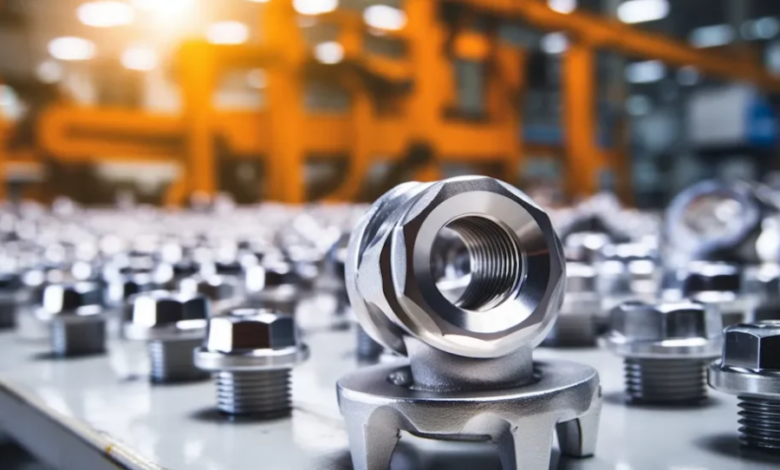
In the world of industrial manufacturing and mechanical assemblies, choosing the right fasteners plays a critical role in ensuring long-term performance and safety. Among these, nuts are fundamental components used in conjunction with bolts to secure parts together. While standard nuts are widely available, certain applications demand a more specialized solution. This is where a reliable custom nut manufacturer comes in. Businesses and engineers alike turn to custom solutions when conventional products do not meet the specific requirements of a project.
Why Custom Nuts Are Important
Custom nuts are designed and manufactured to fit specific needs and tolerances. These unique nuts are often required when working with unconventional materials, extreme temperatures, or environments where standard fasteners might fail. Whether it’s a unique size, special material, or coating requirement, a custom nut manufacturer can deliver fasteners that align with the project’s exact specifications.
For example, in aerospace or marine industries, corrosion resistance is vital. In construction or heavy machinery, the nuts must withstand high loads and pressure. A custom solution ensures the nut performs effectively under such demands.
Key Features of a Reputable Custom Nut Manufacturer
A professional custom nut manufacturer provides more than just production. They offer engineering expertise, quality assurance, and timely delivery. Below are some essential features to look for when choosing a manufacturer:
Expertise and Experience
Experience in the field is a key indicator of a reliable supplier. A manufacturer with years of hands-on industry knowledge will understand the challenges and standards required in different sectors. They are also more likely to offer insightful suggestions that enhance performance and reduce costs.
Material Variety
The ability to work with a wide range of materials such as stainless steel, carbon steel, brass, titanium, or even exotic alloys is essential. Some projects may require lightweight materials, while others need strong or rust-resistant metals. A seasoned manufacturer should be able to offer diverse options.
Customization Capabilities
This is the core element of a custom nut manufacturer. The company should be capable of producing nuts in varied thread types, sizes, shapes, and surface treatments. They should also accommodate detailed technical drawings or collaborate with the client’s engineering team.
Quality Control
High standards of quality control ensure the custom nut manufacturer finished product meets specifications and safety requirements. ISO certifications, in-house testing, and thorough inspections are essential to eliminate defects and ensure consistency across batches.
Turnaround Time and Delivery
A good manufacturer will deliver products on time without compromising on quality. Delays in component delivery can disrupt the entire production process. Therefore, it is critical to work with a supplier known for reliability.
See also: Understanding Shared Office Space Pricing: A Practical Guide for Smart Businesses
Common Industries That Require Custom Nut Manufacturing
Many sectors benefit from sourcing nuts from a specialized manufacturer. Some of the most common industries include:
Automotive
In automotive applications, precision is key. Manufacturers must ensure nuts fit perfectly in engine components, suspension systems, or brake assemblies. The use of heat-resistant and vibration-proof nuts is common.
Aerospace
Aerospace hardware must meet strict weight and safety standards. Custom nuts made from titanium or high-strength alloys are often used to achieve weight savings without compromising durability.
Construction
Heavy-duty machinery and structural components require robust and high-torque fasteners. A custom nut manufacturer can supply nuts that fit perfectly into structural connections and large machinery.
Oil and Gas
This industry demands corrosion-resistant, pressure-rated fasteners. Specialized coatings and non-standard dimensions are often required due to exposure to chemicals and extreme environments.
Medical Equipment
Precision and hygiene are paramount in medical equipment. Stainless steel and biocompatible materials are often used for custom nuts in this industry.
Process of Custom Nut Manufacturing
The process of custom nut manufacturing is both technical and collaborative. It usually involves the following steps:
Requirement Analysis
The client shares technical specifications including size, material, shape, and intended usage. A blueprint or CAD drawing is often submitted for review.
Design and Engineering Support
The manufacturer’s engineers evaluate the requirements and suggest improvements if necessary. This collaboration ensures the best performance of the final product.
Material Selection
Based on the application, the appropriate material is selected. Some manufacturers also offer specialized coatings for additional strength or corrosion resistance.
Prototype and Approval
A prototype may be created for testing and approval before moving to full-scale production. This step ensures the nut fits perfectly in the assembly and performs as expected.
Mass Production
Once approved, the nuts are manufactured in the required quantity using CNC machining, cold or hot forging, or other methods.
Quality Inspection
Each batch is inspected for tolerances, surface finish, and mechanical properties to ensure compliance with the client’s requirements.
Advantages of Working with a Trusted Custom Nut Manufacturer
Choosing the right manufacturer offers several benefits beyond just receiving the product:
- Cost-efficiency through reduced waste and increased lifespan of the fasteners.
- Time-saving due to precise fittings and lower chances of rework.
- Greater reliability in performance, particularly in critical applications.
- Competitive edge in product development, as custom parts enable innovation.
Challenges in Selecting the Right Supplier
While there are many advantages, selecting the right custom nut manufacturer can be challenging. With a wide range of suppliers available, buyers must evaluate based on quality, communication, pricing, and responsiveness. It’s important to review testimonials, certifications, and case studies before making a decision.
Additionally, some suppliers may lack transparency in pricing or fail to meet delivery deadlines. It’s essential to enter partnerships with manufacturers who are clear in communication and supportive throughout the development process.
Conclusion
In industries where precision, durability, and performance are non-negotiable, partnering with a reputable custom nut manufacturer is crucial. From design to delivery, these specialists provide customized solutions tailored to specific engineering requirements. With the right manufacturer, businesses can achieve long-term reliability, efficiency, and cost savings. Whether you’re in aerospace, automotive, construction, or any other demanding field, investing in custom components from an experienced manufacturer ensures superior outcomes for your projects.