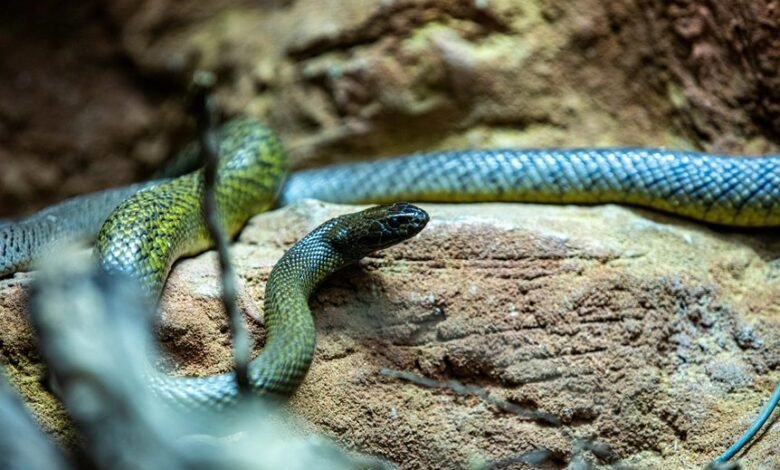
The reticulated python named “Madusa” stands as a remarkable example of the potential length within the pythonidae family, measuring an impressive 25 feet and 2 inches. This extraordinary size raises questions about the environmental factors contributing to such growth. Additionally, the snake’s solitary nature and ambush hunting techniques illustrate its adaptability. However, the challenges faced by these reptiles in their natural habitats warrant further examination, prompting inquiries into their conservation status and future.
The Record-Breaking Length of the Snake
The longest snake on record, a reticulated python named “Madusa,” measured an astonishing 25 feet and 2 inches in length.
This remarkable species identification highlights the potential for extreme growth within pythonidae.
Record measurements underscore the adaptability of these serpents, which thrive in various environments.
Such extraordinary lengths challenge conventional understandings of reptilian growth, emphasizing the need for further research into genetic and environmental influences.
Natural Habitat and Behavior
While reticulated pythons are known for their impressive size, their natural habitat and behavior are equally fascinating.
These snakes prefer diverse environments, including rainforests, grasslands, and wetlands, showcasing their adaptability.
Social behavior is primarily solitary, with interactions occurring mainly during mating.
Understanding their habitat preferences and behavioral patterns provides insight into their ecological role and survival strategies within complex ecosystems.
Diet and Hunting Techniques
Reticulated pythons exhibit a diverse diet that reflects their adaptability and opportunistic feeding behavior.
Their hunting strategies include ambush predation, utilizing stealth and strength to capture prey ranging from small mammals to large ungulates.
These serpents demonstrate varied feeding habits, consuming prey whole and exhibiting remarkable digestive efficiency, which allows them to thrive in diverse environments, showcasing their ecological versatility.
Conservation Efforts and Challenges
Conservation efforts for the world’s longest snake, the reticulated python, face significant challenges due to habitat loss, poaching, and the illegal wildlife trade.
Effective conservation strategies must prioritize habitat preservation to ensure the species’ survival.
Collaboration among governments, NGOs, and local communities is essential to combat these threats, fostering sustainable practices that respect both biodiversity and human development, thereby promoting ecological balance.
Conclusion
In the tapestry of the natural world, Madusa, the reticulated python, weaves a remarkable story of extremes, embodying the potential for growth and adaptation within its species. As researchers delve deeper into the mysteries of these serpents, the need for vigilant conservation becomes ever more pressing. Protecting their habitats is akin to preserving a rich, intricate thread in the fabric of biodiversity, ensuring that future generations can marvel at the awe-inspiring presence of such magnificent creatures.